연구용 로봇
최신 로봇 솔루션에 대한 기술, 응용 프로그램, 이점 및 선택 기준에 대한 중립적이고 사실 기반 요약을 통해 연구용 로봇을 살펴보세요.
소개 및 개요
간략한 개요: 최신 로봇 솔루션의 기술, 응용 프로그램, 이점 및 선택 기준에 대한 중립적이고 사실 기반 요약을 통해 연구용 로봇을 살펴보세요.
연구용 로봇은 산업, 서비스, 연구 및 공공 운영 분야의 실제 작업을 해결하기 위해 자동화, 인공 지능, 센서 및 강력한 기계 시스템이 결합되어 빠르게 성장하는 로봇 시장의 일부입니다. 현대 로봇 카테고리는 단일 기계 이상으로 이해되어야 합니다. 여기에는 하드웨어, 소프트웨어, 안전 기능, 통합, 교육, 유지 관리 및 기술이 가치를 창출하는 비즈니스 컨텍스트가 포함됩니다. 이 페이지는 의사 결정자, 엔지니어, 구매자, 교육자 및 연구원을 위한 포괄적이고 권위 있으며 검색에 최적화된 연구용 로봇 개요를 제공합니다.
연구용 로봇에 대한 관심은 더 높은 생산성, 더 나은 데이터 품질, 더 일관된 프로세스 및 사람에게 무겁고 반복적이며 위험하거나 시간이 많이 걸릴 수 있는 작업의 안전한 처리에 대한 요구로 인해 발생합니다. 조직이 연구용 로봇, 판매용 연구용 로봇, 연구용 로봇 가격 또는 연구용 로봇 비용을 조사할 때 구매에 대해서만 결정을 내리는 경우는 거의 없습니다. 또한 사양, 구현, 운영자 교육, 서비스, 예비 부품, 소프트웨어 업데이트, 사이버 보안 및 장기 지원 등 전체 수명 주기가 포함됩니다.
디자인과 특징
연구용 로봇의 디자인은 작업, 환경, 기대되는 자율성에 따라 달라집니다. 일부 시스템은 고정되어 정밀성에 최적화되어 있는 반면, 다른 시스템은 이동식이며 복잡한 공간 내 탐색용으로 제작되었습니다. 신뢰할 수 있는 로봇 솔루션은 일반적으로 기계적 안정성, 신뢰할 수 있는 액추에이터, 센서 융합, 직관적인 사용자 인터페이스 및 문서화된 안전 프로토콜을 결합합니다. 로봇은 운영자, 기술자, 고객 또는 기타 자동화 장비 근처에서 작동하는 경우가 많기 때문에 서비스 접근성, 모듈성 및 인체 공학도 중요합니다.
일반적인 기능에는 프로그래밍 가능한 워크플로우, 원격 모니터링, 모듈식 액세서리, 실시간 진단, 충돌 감지, 카메라, LiDAR, 힘 센서, 그리퍼, 배터리 관리 및 기존 IT 또는 자동화 시스템과의 통합이 포함될 수 있습니다. 모바일 카테고리의 경우 매핑, 경로 계획, 장애물 회피 및 차량 관리가 중요한 경우가 많습니다. 사람 가까이에서 작동하는 로봇의 경우 속도 제한, 비상 정지, 중복성 및 명확한 상태 통신이 필수적인 설계 요구 사항입니다.
기술 및 사양
연구용 로봇의 기본 기술은 일반적으로 기계, 전자 및 소프트웨어의 조합입니다. 로봇은 힘, 속도 및 정밀도에 대한 요구 사항에 따라 전기 모터, 하모닉 드라이브, 선형 액추에이터, 유압 구성 요소 또는 특수 조인트를 사용할 수 있습니다. 제어는 센서 데이터를 처리하고 이를 이동, 탐색 또는 결정으로 변환하는 산업용 컨트롤러, 에지 컴퓨터 또는 내장형 시스템에 의해 처리됩니다.
사양은 항상 의도된 애플리케이션에 대해 평가되어야 합니다. 관련 매개변수에는 페이로드, 도달 거리, 런타임, 충전 시간, 속도, 위치 정확도, IP 등급, 작동 온도, 통신 프로토콜, 안전 인증, 소프트웨어 API 및 액세서리 호환성이 포함될 수 있습니다. 저렴한 구매 가격은 안정적인 운영, 문서화 및 서비스보다 덜 중요할 수 있지만, 고급 모델은 해당 기능이 워크플로에서 실제로 사용될 때만 의미가 있습니다.
애플리케이션 및 사용 사례
연구용 로봇은 제조, 물류, 검사, 교육, 연구, 의료, 서비스, 보안 및 현장 운영 전반에 걸쳐 사용할 수 있습니다. 산업 환경에서 로봇은 처리량을 향상시키고 오류를 줄이며 보다 예측 가능한 프로세스를 생성하는 데 도움을 줍니다. 서비스 또는 고객 대면 환경에서는 가용성, 정보 전달 및 일상적인 작업 처리를 향상시킬 수 있습니다. 연구 개발에서 로봇 플랫폼을 사용하면 탐색, 조작, 인간-로봇 상호 작용 및 AI 기반 의사 결정을 테스트할 수 있습니다.
조직은 기술을 선택하기 전에 문제를 정의해야 합니다. 좋은 요구 사항 사양은 작업, 환경, 페이로드, 안전 요구 사항, 통합 지점, 운영자 기술 수준, 데이터 요구 사항 및 예상 서비스 주기를 설명합니다. 그런 다음 광범위한 마케팅 주장보다는 검증 가능한 특성을 사용하여 연구용 로봇을 비교할 수 있습니다. 이를 통해 조달 위험이 줄어들고 솔루션이 표준인지, 맞춤형인지 또는 대규모 자동화 프로젝트의 일부인지 결정하기가 더 쉬워집니다.
장점과 한계
연구용 로봇의 주요 이점에는 일반적으로 더 높은 효율성, 향상된 반복성, 더 나은 안전성, 더 강력한 데이터 캡처 및 단조롭거나 위험한 작업에서 사람들을 해방시키는 능력이 포함됩니다. 로봇은 안정적인 프로세스로 작동하고 이벤트를 문서화하며 장기간 수동으로 유지 관리하기 어려운 결과를 제공할 수 있습니다. 따라서 많은 조직에서 로봇공학은 단순한 장비 구매가 아닌 전략적 역량이 됩니다.
한계점은 현실적으로 평가되어야 합니다. 구현에는 계획, 테스트, 교육, 통합이 필요하며 때로는 기존 워크플로에 대한 변경도 필요합니다. 예측할 수 없는 변수가 많은 환경에는 추가 센서, 소프트웨어 적응 또는 사람의 감독이 필요할 수 있습니다. 전체 경제에는 구매뿐만 아니라 유지 관리, 예비 부품, 서비스 계약, 에너지 소비, 사이버 보안 및 내부 역량 구축도 포함됩니다. 그렇기 때문에 연구용 로봇 가격과 연구용 로봇 비용은 단일 숫자가 아닌 총 소유 비용으로 이해해야 합니다.
아시아에서의 구매, 평가 및 구현
사용자가 buy 연구용 로봇 또는 연구용 로봇 for sale을 검색할 때 가장 좋은 출발점은 모델, 액세서리 및 관련 솔루션을 동일한 맥락에서 비교할 수 있는 관련 카테고리 페이지입니다. 아시아 시장의 경우 구매자는 언어 지원, 지역 배송, 보증 서비스, 문서화, 규정 준수, 교육 및 현지 운영 조건과의 통합을 고려해야 하는 경우가 많습니다. 정확한 가격은 구성, 수량, 액세서리, 지원 수준, 배송 및 통합 요구 사항에 따라 달라지므로 여기에 구체적인 가격은 표시되지 않습니다.
구조화된 구현에는 일반적으로 요구 사항 분석, 기술 검증, 파일럿 프로젝트, 위험 평가, 운영자 교육 및 지속적인 최적화가 포함됩니다. 가동 시간, 주기 시간, 오류율, 안전 사고, 에너지 사용, 데이터 품질 및 사용자 수용 등 성공 기준을 미리 문서화해야 합니다. 이를 통해 배포 후 연구용 로봇을 객관적으로 평가할 수 있습니다.
FAQ
연구용 로봇이 무엇인가요?
연구용 로봇은 자동화, 서비스, 연구, 운영 또는 현장 작업의 특정 작업을 위해 설계된 로봇 솔루션, 시스템 또는 카테고리를 나타냅니다.
연구용 로봇은 어떻게 작동하나요?
연구용 로봇은 환경을 인식하고 프로그래밍되거나 자율적인 작업을 수행하는 기계 구성 요소, 센서, 컨트롤러 및 소프트웨어를 결합하여 작동합니다.
연구용 로봇이 왜 중요한가요?
연구용 로봇은 로봇 공학이 현대 조직의 안전성, 생산성, 정밀도 및 데이터 기반 의사 결정을 향상시킬 수 있기 때문에 중요합니다.
연구용 로봇의 이점은 무엇입니까?
보다 일관된 프로세스, 수동 작업량 감소, 문서화 향상, 가용성 향상, 복잡하거나 위험한 작업을 자동화하는 기능 등의 이점이 있습니다.
연구용 로봇 가격과 연구용 로봇 비용에 영향을 미치는 것은 무엇입니까?
가격과 비용은 구성, 액세서리, 소프트웨어, 지원, 제공, 통합, 교육 및 장기 유지 관리에 의해 영향을 받습니다. 동일한 카테고리 페이지를 사용하여 관련 평가를 요청하세요.
연구용 로봇은 어디서 구매할 수 있나요?
가장 관련성이 높은 경로는 이 카테고리 페이지를 사용하여 사용 가능한 옵션을 비교하고 배포자에게 구성, 가용성 및 다음 단계에 대해 문의하는 것입니다.
요약
연구용 로봇은 현대 로봇 공학 및 자동화의 중요한 부분입니다. 올바른 사양, 기술 검토 및 구현 계획을 통해 해당 카테고리는 산업 및 응용 분야 전반에 걸쳐 보다 안전하고 효율적이며 확장 가능한 프로세스를 지원할 수 있습니다.
Research Robots: Advancing Science and Innovation with AI-Powered Robotics
Research robots are transforming the way scientists, engineers, and innovators conduct experiments, collect data, and develop cutting-edge technologies. By combining artificial intelligence, automation, and precise robotics engineering, these robots provide unparalleled capabilities for research institutions, universities, laboratories, and innovation centers. Designed for versatility, accuracy, and adaptability, research robots are crucial tools for accelerating discovery and pushing the boundaries of knowledge in fields such as AI, robotics, engineering, and applied sciences.
What Are Research Robots?
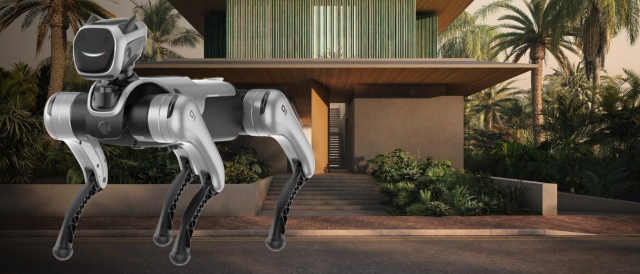
Research robots are specially designed robotic systems used to support experiments, testing, and innovation. They can range from humanoid robots for human-robot interaction studies to quadruped robots for mobility and terrain research. Equipped with sensors, AI algorithms, and automation software, research robots can:
-
Perform repetitive or precise laboratory tasks with accuracy
-
Collect and analyze data efficiently
-
Simulate real-world scenarios for experimentation
-
Interact with humans for behavioral and robotics studies
-
Adapt autonomously to changing experimental conditions
These capabilities make research robots indispensable for institutions that aim to enhance productivity, reliability, and scientific innovation.
Applications of Research Robots
1. Academic Research
Universities and technical institutions use research robots to teach robotics, artificial intelligence, and engineering concepts. Students can program and experiment with robots to understand robotics mechanics, AI behavior, and data-driven decision-making, making learning interactive and practical.
2. Laboratory Automation
Research robots streamline laboratory work by automating repetitive or high-precision tasks, such as pipetting, sample handling, and environmental monitoring. This not only reduces human error but also speeds up experimentation and increases reproducibility of results.
3. Robotics and AI Development
Research robots provide an ideal platform for testing AI algorithms, robotic motion planning, and machine learning models. Engineers can experiment in controlled environments before deploying robots in real-world applications, advancing innovation in industrial, service, and exploration robotics.
4. Healthcare and Biomedical Research
Robots are increasingly used in biomedical research for assisting in surgeries, patient monitoring, and lab experiments. With precise motion control and data collection capabilities, research robots enhance the accuracy of experiments and accelerate medical innovation.
5. Exploration and Environmental Research
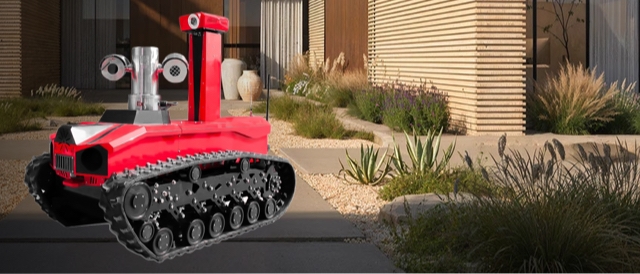
Quadruped or mobile research robots allow scientists to study difficult terrains, underwater environments, and hazardous areas safely. These robots gather critical environmental data, helping researchers make informed decisions while reducing risks to human personnel.
Why Choose Research Robots?
Investing in research robots offers numerous advantages:
-
Precision and Accuracy: Conduct experiments with minimal error
-
Efficiency and Automation: Save time on repetitive or labor-intensive tasks
-
Versatility: Suitable for laboratories, universities, and field research
-
AI Integration: Test and implement advanced algorithms for robotics and automation
-
Innovation: Empower scientists, engineers, and institutions to stay at the forefront of technological advancement
By integrating research robots into labs and institutions, organizations can achieve higher productivity, better data accuracy, and accelerated innovation across multiple scientific and engineering fields.
Buying Research Robots
Acquiring research robots requires careful consideration of factors such as mobility, AI capabilities, programming interfaces, and adaptability to research needs. Leading suppliers offer humanoid, quadruped, and specialized research robots tailored for specific laboratory, academic, or industrial applications. Choosing the right research robot ensures maximum ROI, efficiency, and scalability for your innovation projects.
Conclusion: The Future of Research Robots
Research robots are not just tools—they are intelligent partners in scientific discovery and technological advancement. From education and laboratory automation to AI development and environmental exploration, research robots provide versatile, reliable, and advanced solutions for modern research. By investing in AI-powered research robots, institutions and innovators can accelerate experimentation, enhance accuracy, and drive breakthroughs in robotics and applied sciences.