تجاری
تجاری را با خلاصهای خنثی و مبتنی بر واقعیت از فناوری، برنامهها، مزایا و معیارهای انتخاب راهحلهای ربات مدرن کاوش کنید.
مقدمه و بررسی اجمالی
مروری کوتاه: تجاری را با خلاصهای خنثی و مبتنی بر واقعیت از فناوری، برنامهها، مزایا و معیارهای انتخاب راهحلهای ربات مدرن کاوش کنید.
تجاری بخشی از بازار روباتیک است که به سرعت در حال گسترش است که در آن اتوماسیون، هوش مصنوعی، حسگرها و سیستمهای مکانیکی قوی برای حل وظایف عملی در صنعت، خدمات، تحقیقات و عملیات عمومی ترکیب شدهاند. یک دسته ربات مدرن باید به عنوان چیزی بیش از یک ماشین درک شود: شامل سخت افزار، نرم افزار، عملکردهای ایمنی، یکپارچه سازی، آموزش، نگهداری و زمینه تجاری است که در آن فناوری ارزش ایجاد می کند. این صفحه یک نمای کلی جامع، معتبر و بهینه شده برای جستجو از تجاری برای تصمیم گیرندگان، مهندسان، خریداران، مربیان و محققان ارائه می دهد.
علاقه به تجاری به دلیل نیاز به بهرهوری بالاتر، کیفیت دادههای بهتر، فرآیندهای سازگارتر و مدیریت امنتر وظایفی است که ممکن است برای افراد سنگین، تکراری، خطرناک یا وقتگیر باشد. وقتی سازمانها برای خرید تجاری، تجاری برای فروش، قیمت تجاری یا هزینه تجاری تحقیق میکنند، تصمیم به ندرت فقط در مورد خرید است. همچنین شامل چرخه عمر کامل است: مشخصات، پیاده سازی، آموزش اپراتور، خدمات، قطعات یدکی، به روز رسانی نرم افزار، امنیت سایبری و پشتیبانی طولانی مدت.
طراحی و ویژگی ها
طراحی تجاری بر اساس وظیفه، محیط و استقلال مورد انتظار متفاوت است. برخی از سیستم ها ثابت هستند و برای دقت بهینه شده اند، در حالی که برخی دیگر متحرک هستند و برای ناوبری در فضاهای پیچیده ساخته شده اند. راه حل های قابل اعتماد ربات معمولاً پایداری مکانیکی، محرک های قابل اعتماد، همجوشی حسگرها، رابط های کاربری بصری و پروتکل های ایمنی مستند را ترکیب می کنند. دسترسی به خدمات، مدولار بودن و ارگونومی نیز مهم هستند زیرا روبات ها اغلب در نزدیکی اپراتورها، تکنسین ها، مشتریان یا سایر تجهیزات خودکار کار می کنند.
ویژگیهای معمولی ممکن است شامل گردش کار قابل برنامهریزی، نظارت از راه دور، لوازم جانبی مدولار، تشخیص بیدرنگ، تشخیص برخورد، دوربینها، LiDAR، سنسورهای نیرو، گیرهها، مدیریت باتری و ادغام با سیستمهای IT یا اتوماسیون موجود باشد. برای دسته های موبایل، نقشه برداری، برنامه ریزی مسیر، اجتناب از موانع و مدیریت ناوگان اغلب مهم هستند. برای روباتهایی که نزدیک به مردم کار میکنند، محدودیت سرعت، توقف اضطراری، افزونگی و ارتباط وضعیت واضح از الزامات طراحی هستند.
تکنولوژی و مشخصات
فناوری تجاری معمولاً ترکیبی از مکانیک، الکترونیک و نرم افزار است. یک ربات ممکن است از موتورهای الکتریکی، درایوهای هارمونیک، محرک های خطی، اجزای هیدرولیک یا اتصالات تخصصی بسته به الزامات نیرو، سرعت و دقت استفاده کند. کنترل توسط کنترلکنندههای صنعتی، رایانههای لبه یا سیستمهای تعبیهشده انجام میشود که دادههای حسگر را پردازش کرده و آنها را به حرکت، ناوبری یا تصمیمگیری تبدیل میکنند.
مشخصات باید همیشه بر اساس برنامه مورد نظر ارزیابی شوند. پارامترهای مربوطه میتواند شامل بار، دسترسی، زمان اجرا، زمان شارژ، سرعت، دقت موقعیتیابی، رتبه IP، دمای عملیاتی، پروتکلهای ارتباطی، گواهیهای ایمنی، APIهای نرمافزار و سازگاری لوازم جانبی باشد. قیمت خرید پایین می تواند کمتر از عملکرد پایدار، اسناد و خدمات باشد، در حالی که یک مدل پیشرفته تنها زمانی معنا پیدا می کند که از قابلیت های آن در جریان کار استفاده شود.
کاربردها و موارد استفاده
تجاری را می توان در تولید، تدارکات، بازرسی، آموزش، تحقیق، مراقبت های بهداشتی، خدمات، امنیت و عملیات میدانی استفاده کرد. در محیط های صنعتی، ربات ها به بهبود توان عملیاتی، کاهش خطاها و ایجاد فرآیندهای قابل پیش بینی بیشتر کمک می کنند. در محیط های خدماتی یا مواجهه با مشتری، آنها می توانند در دسترس بودن، تحویل اطلاعات و رسیدگی به وظایف معمول را بهبود بخشند. در تحقیق و توسعه، پلتفرمهای ربات آزمایش ناوبری، دستکاری، تعامل انسان و ربات و تصمیمگیری مبتنی بر هوش مصنوعی را ممکن میسازند.
سازمان ها باید قبل از انتخاب فناوری مشکل را تعریف کنند. یک مشخصات نیازمندی خوب وظیفه، محیط، محموله، نیازهای ایمنی، نقاط ادغام، سطح مهارت اپراتور، الزامات داده و چرخه خدمات مورد انتظار را توصیف می کند. سپس می توان تجاری را با استفاده از ویژگی های قابل تأیید به جای ادعاهای بازاریابی گسترده مقایسه کرد. این امر ریسک تدارکات را کاهش می دهد و تصمیم گیری در مورد اینکه آیا راه حل باید استاندارد، سفارشی شده یا بخشی از یک پروژه اتوماسیون بزرگتر باشد را آسان تر می کند.
مزایا و محدودیت ها
مزایای اصلی تجاری معمولاً شامل کارایی بالاتر، تکرارپذیری بهبود یافته، ایمنی بهتر، جمعآوری دادههای قویتر و توانایی رهایی افراد از کارهای یکنواخت یا پرخطر است. ربات ها می توانند با فرآیندهای پایدار کار کنند، رویدادها را مستند کنند و نتایجی را ارائه دهند که نگهداری آنها به صورت دستی در دوره های طولانی دشوار است. بنابراین برای بسیاری از سازمان ها، رباتیک به جای خرید تجهیزات ساده، به یک قابلیت استراتژیک تبدیل می شود.
محدودیت ها را باید واقع بینانه ارزیابی کرد. پیاده سازی نیاز به برنامه ریزی، آزمایش، آموزش، یکپارچه سازی و گاهی اوقات تغییر در گردش کار موجود دارد. محیطهایی با متغیرهای غیرقابل پیشبینی بسیاری ممکن است به حسگرهای اضافی، سازگاری نرمافزاری یا نظارت انسانی نیاز داشته باشند. کل اقتصاد شامل نه تنها خرید، بلکه تعمیر و نگهداری، قطعات یدکی، قراردادهای خدمات، مصرف انرژی، امنیت سایبری و ایجاد صلاحیت داخلی است. به همین دلیل، قیمت تجاری و هزینه تجاری باید به عنوان هزینه کل مالکیت درک شود، نه به عنوان یک عدد.
خرید، ارزیابی و اجرا در آسیا
هنگامی که کاربران برای خرید تجاری یا تجاری برای فروش جستجو می کنند، بهترین نقطه شروع صفحه دسته بندی مربوطه است، جایی که مدل ها، لوازم جانبی و راه حل های مرتبط را می توان در یک زمینه مقایسه کرد. برای بازارهای آسیایی، خریداران اغلب باید پشتیبانی زبان، تحویل منطقه ای، خدمات گارانتی، اسناد، انطباق، آموزش و ادغام با شرایط عملیاتی محلی را در نظر بگیرند. قیمتهای خاصی در اینجا فهرست نشدهاند، زیرا قیمتگذاری صحیح به پیکربندی، حجم، لوازم جانبی، سطح پشتیبانی، تحویل و هرگونه الزامات یکپارچهسازی بستگی دارد.
یک پیاده سازی ساختاریافته معمولاً شامل تجزیه و تحلیل نیازها، اعتبار سنجی فنی، یک پروژه آزمایشی، ارزیابی ریسک، آموزش اپراتور و بهینه سازی مداوم است. معیارهای موفقیت باید از قبل مستند شوند: زمان کار، زمان چرخه، میزان خطا، حوادث ایمنی، مصرف انرژی، کیفیت داده ها و پذیرش کاربر. این امکان ارزیابی عینی تجاری را پس از استقرار فراهم می کند.
سوالات متداول
تجاری چیست؟
تجاری به راهحلها، سیستمها یا دستههای روباتی اشاره دارد که برای کارهای خاص در اتوماسیون، خدمات، تحقیق، عملیات یا کار میدانی طراحی شدهاند.
تجاری چگونه کار می کند؟
تجاری با ترکیب اجزای مکانیکی، حسگرها، کنترلکنندهها و نرمافزارهایی که محیط را درک میکنند و اقدامات برنامهریزی شده یا مستقل را انجام میدهند، کار میکند.
چرا تجاری مهم است؟
تجاری مهم است زیرا روباتیک می تواند ایمنی، بهره وری، دقت و تصمیم گیری مبتنی بر داده را در سازمان های مدرن بهبود بخشد.
مزایای تجاری چیست؟
مزایا شامل فرآیندهای سازگارتر، کاهش حجم کار دستی، مستندسازی بهتر، در دسترس بودن بیشتر و توانایی خودکارسازی وظایف پیچیده یا خطرناک است.
چه چیزی بر قیمت تجاری و هزینه تجاری تأثیر می گذارد؟
قیمت و هزینه تحت تأثیر پیکربندی، لوازم جانبی، نرم افزار، پشتیبانی، تحویل، ادغام، آموزش و نگهداری طولانی مدت است. از همان صفحه دسته برای درخواست ارزیابی مرتبط استفاده کنید.
از کجا می توانم تجاری را بخرم؟
مرتبط ترین مسیر استفاده از این صفحه دسته بندی برای مقایسه گزینه های موجود و تماس با توزیع کننده در مورد پیکربندی، در دسترس بودن و مراحل بعدی است.
خلاصه
تجاری بخش مهمی از روباتیک و اتوماسیون مدرن است. با مشخصات، بررسی فنی و طرح پیاده سازی مناسب، این دسته می تواند از فرآیندهای ایمن تر، کارآمدتر و مقیاس پذیرتر در صنایع و برنامه های کاربردی پشتیبانی کند.
Commercial
In UBTECH’s own structure, commercial robotics is separate from its industrial, AI education, logistics, and consumer segments. The company’s commercial portfolio currently centers on humanoid service robots, cloud-based intelligent service robots, wheeled humanoid robots, and related service solutions for places such as exhibition halls, transport hubs, office buildings, pharmacies, hospitals, retail stores, and supermarkets.
The commercial lineup shown on UBTECH’s official sites includes products such as Walker C, Walker X, Cruzr S2, Cruzr 1S, and commercial cleaning or delivery systems marketed through UBTECH’s commercial platform. UBTECH’s commercial page frames these products as tools for “enterprise intelligent operations” and “business scenario innovation,” which is a useful summary of how the company positions its commercial robot business.
Design and Features
Product Categories Within UBTECH Commercial Robotics
UBTECH’s current commercial robot ecosystem is not a single machine but a family of platforms. On its commercial solutions page, UBTECH highlights Walker C as a humanoid service robot, Cruzr 1S as a cloud-based intelligent service robot, Cruzr S2 as a full-sized wheeled humanoid robot, and a one-stop service robot station focused on delivery, air purification, and patrol functions. That mix shows UBTECH is targeting both interactive front-of-house service and practical operational automation.
The company’s humanoid line is especially prominent. UBTECH’s application-scenarios page separates humanoids into Industrial products like Walker S-series and Commercial products like Walker C and Walker X, while also showing Cruzr S2 as a wheeled humanoid and Panda Robot as a specialized public-interaction platform. This suggests UBTECH treats commercial humanoids as a core part of its business strategy rather than as one-off demonstration products.
Human-Centered Design
UBTECH’s commercial robots are designed primarily for shared human environments rather than factory cells. Official scenario pages emphasize reception, guidance, live Q&A support, office greeting, retail assistance, airport services, and exhibition tours. That means the design priorities are not just locomotion and payload, but also appearance, communication, navigation safety, multilingual interaction, and ease of deployment.
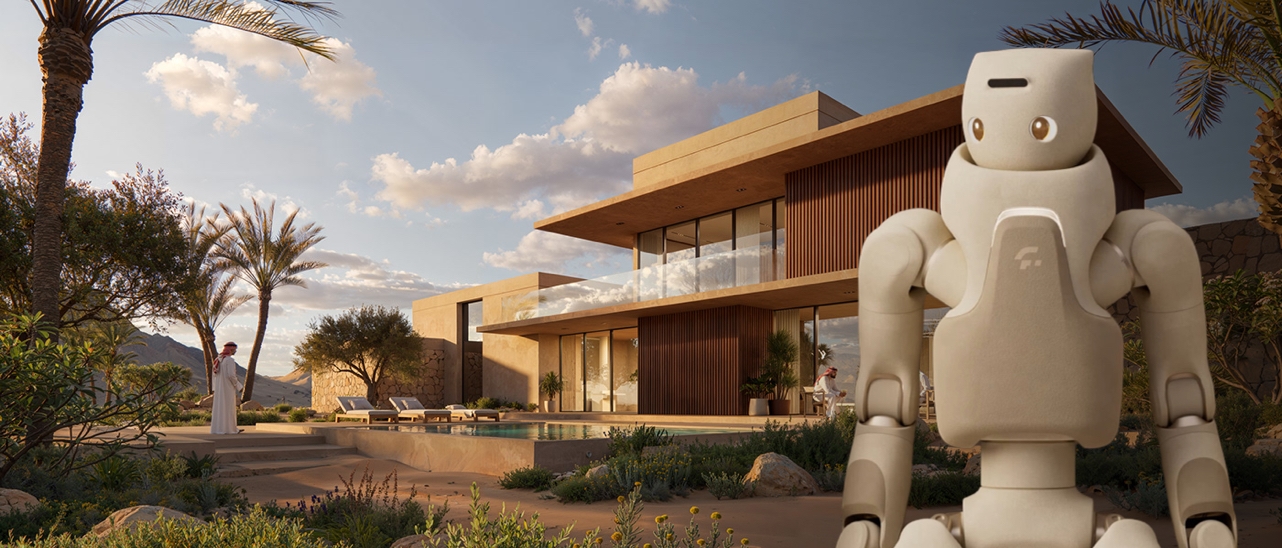
Walker C illustrates this particularly well. UBTECH describes it as a full-size, electric-driven embodied intelligent humanoid robot powered by its self-developed Embodied Interactive Large Model, with multilingual interaction for exhibition halls and office buildings. Official application descriptions list greeting and reception, smart guide services, AI curator-style narration, and entertainment-oriented human-robot interaction.
Walker X, by contrast, emphasizes more advanced physical capability. UBTECH says it incorporates six AI technologies, upgraded vision-based navigation, hand-eye coordination, and a comprehensive perception system. The product page also lists 41 high-performance servo joints, a 160° face-surrounding 4.6K HD dual flexible curved screen, a 4-dimensional light language system, modular design, and a removable battery.
Technology and Specifications
Core Technology Stack
UBTECH says its broader robotics platform is built on full-stack humanoid technologies that combine robotic motion planning and control, high-performance servo actuators, AI systems modeled on human-like brain and cerebellum functions, SLAM and autonomous technology, visual servo operation, and human-robot interaction. That matters because UBTECH’s commercial robots are not presented as isolated devices; they are built on a common in-house robotics technology base.
Walker C Specifications
Walker C is one of UBTECH’s clearest commercial humanoid examples because the official page publishes a visible specification block. UBTECH lists Walker C at 163 cm height, 43 kg weight, 20 degrees of freedom, 48V 15Ah lithium battery, 1.5 hours charging time, 2 hours walking time, 4 hours standing time, RGBD cameras, structured-light 3D cameras, high-precision inertial measurement, and Wi-Fi/Bluetooth connectivity. UBTECH also states Walker C maintains a steady running pace of 6 km/h and uses U-SLAM navigation for autonomous tour routing.
Walker X Specifications
Walker X’s official page provides a different profile. UBTECH lists 130 cm height, 63 kg weight, and 41 high-performance servo joints. It also highlights U-SLAM navigation and autonomous path planning, excellent environment and human perception, and hand-eye coordination for object manipulation. UBTECH states that Walker X uses a four-eye system, dual RGBD sensors, 7-DOF robot arms, and 6-DOF force-controlled human-like hands, and says it can operate objects such as refrigerators, coffee machines, and vacuum cleaners.
Commercial Cleaning and Service Systems
UBTECH’s commercial site also promotes non-humanoid service robots. Its commercial cleaning pages describe CLEINBOT CC201 as an intelligent commercial cleaning robot with compact design, flexible automatic navigation, efficient cleaning, and full-coverage operation, while CLEINBOT M79 is positioned for medium and large areas with 120-liter dual water tanks and a cleaning chassis designed for deep cleaning without damaging floors. These products show that UBTECH’s commercial strategy extends beyond humanoids into practical service robotics for facilities management.
Applications and Use Cases
Exhibition Halls and Museums
UBTECH heavily emphasizes exhibition halls as a commercial application. Walker robots are described as supporting multimodal interaction through text, voice, vision, motion, and environmental elements, with official use cases including visitor reception, guidance and introduction, AIoT control, and entertainment performance. UBTECH’s commercial page also cites deployments at the China Pavilion at Expo 2025 Osaka, Yunnan Provincial Museum, MoCA Shanghai, and the Ping An International Smart City Exhibition Hall.
Office Buildings and Service Centers
UBTECH explicitly lists office buildings and service centers as commercial scenarios. Walker C is presented for office building greeting and reception and service-center live Q&A support, while UBTECH’s application-scenarios page says Walker can integrate accurate face recognition with digital surveillance to greet visitors, automatically scan them, serve drinks, and control smart devices.
Airports and Transport Hubs
UBTECH also targets transport hubs and airports. Walker C’s official page lists “transport hubs” as a smart guide scenario, while the commercial solutions page names airport service robotic solutions and cites deployments at Shenzhen Baoan International Airport, Paris Charles de Gaulle Airport, Chengdu Tianfu International Airport, and Kunming Changshui International Airport.
Retail and Supermarkets
Retail is another major vertical in UBTECH’s commercial strategy. The company says its multi-scenario solutions are designed for retail and supermarkets, and the official commercial page cites real-world examples including BYD’s overseas stores, Denza vehicle showrooms, Easyhome retail stores, and Alibaba Koubei smart restaurant activity. This suggests UBTECH sees commercial robots as tools for both retail assistance and brand-experience environments.
Public Services, Healthcare, and Facilities
UBTECH’s official commercial page also mentions pharmacies, hospitals, and public services, and lists cases such as the Shenzhen Administrative Service Hall, Nanshan Exit-Entry Administration, and Nanshan District Administration of State Taxation. Combined with its cleaning-robot lineup, this points to a commercial robotics business that includes both customer-facing interaction and behind-the-scenes operational support.
Advantages / Benefits
One of UBTECH commercial robots’ main advantages is portfolio breadth. The company is not limited to one format; it offers bipedal humanoids, wheeled humanoids, cloud-based service robots, and cleaning robots, which lets it address different customer needs with different embodiments. That flexibility is unusual compared with robotics vendors focused on a single niche.
A second advantage is full-stack technology ownership. UBTECH says it independently developed its humanoid robotics stack, from servo actuators to SLAM and human-robot interaction, and by June 2025 held more than 2,790 robotics- and AI-related patents, with nearly 58% invention patents. That level of in-house technology development can matter to enterprise buyers looking for long-term platform continuity.
A third advantage is proven commercial deployment across visible public scenarios. UBTECH’s official case lists cover expo pavilions, museums, airports, office services, retail locations, and government halls. That does not prove universal maturity across every product, but it does show that UBTECH commercial robots are being positioned and demonstrated in actual business settings rather than only in laboratories.
FAQ Section
What are UBTECH commercial robots?
UBTECH commercial robots are the company’s business-oriented service robots for scenarios such as exhibition halls, office buildings, transport hubs, retail stores, supermarkets, pharmacies, hospitals, and public-service venues. The lineup includes humanoids, wheeled service robots, and cleaning robots.
How do UBTECH commercial robots work?
They combine autonomous navigation, perception sensors, AI interaction, and task-specific hardware. Depending on the model, they may greet visitors, guide tours, answer questions, carry items, clean floors, or assist with sorting and handling. UBTECH says its broader platform includes SLAM, visual servo operation, human-robot interaction, and ROSA 2.0.
Why are UBTECH commercial robots important?
They are important because they show how one robotics company is commercializing humanoid and service robots across multiple business scenarios, from exhibitions and airports to offices and retail. UBTECH also positions its Walker platform as the first commercialized biped life-sized humanoid robot in China.
What are the benefits of UBTECH commercial robots?
The main benefits are multiscenario deployment, humanoid and wheeled platform options, AI-driven interaction, autonomous navigation, and support for operational efficiency and customer-facing service innovation. For some products, the benefit is human-like interaction; for others, it is practical delivery or cleaning automation.
Are UBTECH commercial robots the same as UBTECH industrial robots?
No. UBTECH separates commercial products such as Walker C and Walker X from industrial products such as the Walker S series. Commercial robots focus on service and interaction settings, while industrial robots focus on manufacturing tasks.
Summary
UBTECH commercial robots are a broad portfolio of business-oriented service robots that include humanoid service robots, wheeled service robots, delivery systems, and cleaning robots. Official UBTECH materials show a commercial strategy focused on exhibition halls, airports, office buildings, retail, public services, pharmacies, and hospitals, supported by a full-stack robotics technology base and a growing list of public deployment cases. For organizations researching current commercial service robotics from UBTECH, the company stands out for combining humanoid interaction, enterprise service automation, and multi-scenario commercial deployment in one product ecosystem.