研究用ロボット

最新のロボット ソリューションのテクノロジー、アプリケーション、利点、選択基準に関する中立的で事実に基づいた概要で 研究用ロボット を探索してください。

概要と概要

簡単な概要: 最新のロボット ソリューションのテクノロジー、アプリケーション、利点、選択基準に関する中立的で事実に基づいた概要を使用して 研究用ロボット を探索します。

研究用ロボット は、オートメーション、人工知能、センサー、堅牢な機械システムを組み合わせて、産業、サービス、研究、公共事業における実際的なタスクを解決する、急速に拡大するロボット市場の一部です。最新のロボット カテゴリは、単一の機械以上のものとして理解される必要があります。これには、ハードウェア、ソフトウェア、安全機能、統合、トレーニング、メンテナンス、およびテクノロジーが価値を生み出すビジネス コンテキストが含まれます。このページは、意思決定者、エンジニア、バイヤー、教育者、研究者向けに、研究用ロボット の包括的で権威のある、検索に最適化された概要を提供します。

研究用ロボット への関心は、より高い生産性、より優れたデータ品質、より一貫したプロセス、そして人にとって重く、反復的で、危険で、または時間がかかる可能性のあるタスクのより安全な処理の必要性によって引き起こされています。組織が 研究用ロボット の購入、販売用の 研究用ロボット、研究用ロボット の価格、または 研究用ロボット のコストを調査する場合、購入だけが決定されることはほとんどありません。また、仕様、実装、オペレータートレーニング、サービス、スペアパーツ、ソフトウェアアップデート、サイバーセキュリティ、長期サポートといったライフサイクル全体も含まれます。

デザインと機能

研究用ロボット の設計は、タスク、環境、および期待される自律性によって異なります。固定式で精度が最適化されたシステムもあれば、移動式で複雑な空間でのナビゲーション用に構築されたシステムもあります。信頼性の高いロボット ソリューションは通常、機械的安定性、信頼性の高いアクチュエータ、センサー フュージョン、直感的なユーザー インターフェイス、文書化された安全プロトコルを組み合わせています。ロボットはオペレーター、技術者、顧客、またはその他の自動化機器の近くで作業することが多いため、サービスへのアクセス、モジュール性、人間工学も重要です。

一般的な機能には、プログラム可能なワークフロー、リモート監視、モジュラーアクセサリ、リアルタイム診断、衝突検出、カメラ、LiDAR、力センサー、グリッパー、バッテリー管理、既存の IT または自動化システムとの統合などが含まれます。モバイル カテゴリでは、マッピング、ルート計画、障害物回避、車両管理が重要になることがよくあります。人の近くで動作するロボットの場合、速度制限、緊急停止、冗長性、および明確なステータス通信が必須の設計要件です。

技術と仕様

研究用ロボット の背後にあるテクノロジーは、通常、機械、電子機器、ソフトウェアの組み合わせです。ロボットは、力、速度、精度の要件に応じて、電気モーター、ハーモニックドライブ、リニアアクチュエーター、油圧コンポーネント、または特殊なジョイントを使用する場合があります。制御は産業用コントローラー、エッジコンピューター、またはセンサーデータを処理して動き、ナビゲーション、または決定に変換する組み込みシステムによって処理されます。

仕様は常に、意図されたアプリケーションに対して評価される必要があります。関連するパラメータには、ペイロード、到達距離、ランタイム、充電時間、速度、測位精度、IP 定格、動作温度、通信プロトコル、安全認証、ソフトウェア API、アクセサリの互換性などが含まれます。購入価格が安いことは、安定した操作、文書化、サービスよりも重要ではない可能性がありますが、高度なモデルは、その機能がワークフローで実際に使用されて初めて意味を持ちます。

アプリケーションとユースケース

研究用ロボット は、製造、物流、検査、教育、研究、ヘルスケア、サービス、セキュリティ、現場作業全体で使用できます。産業環境では、ロボットはスループットの向上、エラーの削減、より予測可能なプロセスの作成に役立ちます。サービス環境や顧客対応環境では、可用性、情報配信、日常的なタスク処理を向上させることができます。研究開発では、ロボット プラットフォームにより、ナビゲーション、操作、人間とロボットの対話、AI ベースの意思決定をテストすることができます。

組織はテクノロジーを選択する前に問題を定義する必要があります。適切な要件仕様には、タスク、環境、積載量、安全性のニーズ、統合ポイント、オペレーターのスキル レベル、データ要件、および予想されるサービス サイクルが記述されています。その後、広範なマーケティング上の主張ではなく、検証可能な特性を使用して 研究用ロボット を比較できます。これにより、調達リスクが軽減され、ソリューションを標準にするか、カスタマイズするか、あるいは大規模な自動化プロジェクトの一部にするかの決定が容易になります。

利点と制限

研究用ロボット の主な利点には、通常、効率の向上、再現性の向上、安全性の向上、より強力なデータ収集、単調または危険な作業から人々を解放する機能などが含まれます。ロボットは、安定したプロセスで動作し、イベントを文書化し、長期間にわたって手動で維持するのが難しい結果を提供できます。したがって、多くの組織にとって、ロボット工学は単なる機器の購入ではなく、戦略的な能力となります。

制限は現実的に評価する必要があります。実装には計画、テスト、トレーニング、統合が必要であり、場合によっては既存のワークフローの変更も必要になります。予測不可能な変数が多い環境では、追加のセンサー、ソフトウェアの適応、または人間の監視が必要になる場合があります。総合的な経済性には、購入だけでなく、メンテナンス、スペアパーツ、サービス契約、エネルギー消費、サイバーセキュリティ、社内能力の構築も含まれます。そのため、研究用ロボット 価格と 研究用ロボット コストは、単一の数値としてではなく、総所有コストとして理解される必要があります。

アジアでの購入、評価、導入

ユーザーが 研究用ロボット の購入または販売用の 研究用ロボット を検索する場合、モデル、アクセサリ、関連ソリューションを同じコンテキストで比較できる関連カテゴリ ページが最適な出発点となります。アジア市場の場合、購入者は多くの場合、言語サポート、地域配送、保証サービス、文書化、コンプライアンス、トレーニング、および現地の動作条件との統合を考慮する必要があります。正確な価格は構成、容量、アクセサリ、サポート レベル、納期、および統合要件によって異なるため、ここには具体的な価格は記載されていません。

構造化された実装には、通常、ニーズ分析、技術的検証、パイロット プロジェクト、リスク評価、オペレーターのトレーニング、継続的な最適化が含まれます。稼働時間、サイクルタイム、エラー率、安全インシデント、エネルギー使用量、データ品質、ユーザーの受け入れなどの成功基準を事前に文書化する必要があります。これにより、導入後に 研究用ロボット を客観的に評価できるようになります。

よくある質問

キャットネームとは何ですか?

研究用ロボット は、自動化、サービス、研究、運用、または現場作業における特定のタスク用に設計されたロボット ソリューション、システム、またはカテゴリを指します。

研究用ロボット はどのように機能しますか?

研究用ロボット は、環境を認識し、プログラムされたアクションまたは自律的なアクションを実行する機械コンポーネント、センサー、コントローラー、およびソフトウェアを組み合わせることによって機能します。

研究用ロボット が重要な理由は何ですか?

ロボット工学により、現代の組織における安全性、生産性、精度、データ主導の意思決定が向上するため、研究用ロボット は重要です。

研究用ロボット の利点は何ですか?

利点としては、プロセスの一貫性の向上、手動作業負荷の軽減、文書化の改善、可用性の向上、複雑または危険なタスクを自動化する機能などが挙げられます。

研究用ロボット の価格と 研究用ロボット のコストには何が影響しますか?

価格とコストは、構成、アクセサリ、ソフトウェア、サポート、配信、統合、トレーニング、長期メンテナンスによって影響されます。関連する評価をリクエストするには、同じカテゴリ ページを使用してください。

研究用ロボット はどこで購入できますか?

最も適切な方法は、このカテゴリ ページを使用して利用可能なオプションを比較し、構成、可用性、次のステップについてディストリビュータに問い合わせることです。

概要

研究用ロボット は、現代のロボット工学と自動化の重要な部分です。適切な仕様、技術レビュー、実装計画があれば、このカテゴリは、業界やアプリケーション全体で、より安全で効率的かつスケーラブルなプロセスをサポートできます。

Questions

Your Question:

Research Robots: Advancing Science and Innovation with AI-Powered Robotics

Research robots are transforming the way scientists, engineers, and innovators conduct experiments, collect data, and develop cutting-edge technologies. By combining artificial intelligence, automation, and precise robotics engineering, these robots provide unparalleled capabilities for research institutions, universities, laboratories, and innovation centers. Designed for versatility, accuracy, and adaptability, research robots are crucial tools for accelerating discovery and pushing the boundaries of knowledge in fields such as AI, robotics, engineering, and applied sciences.


What Are Research Robots?

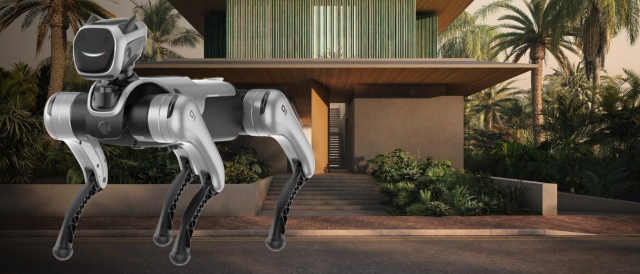
Research robots are specially designed robotic systems used to support experiments, testing, and innovation. They can range from humanoid robots for human-robot interaction studies to quadruped robots for mobility and terrain research. Equipped with sensors, AI algorithms, and automation software, research robots can:

  • Perform repetitive or precise laboratory tasks with accuracy

  • Collect and analyze data efficiently

  • Simulate real-world scenarios for experimentation

  • Interact with humans for behavioral and robotics studies

  • Adapt autonomously to changing experimental conditions

These capabilities make research robots indispensable for institutions that aim to enhance productivity, reliability, and scientific innovation.


Applications of Research Robots

1. Academic Research

Universities and technical institutions use research robots to teach robotics, artificial intelligence, and engineering concepts. Students can program and experiment with robots to understand robotics mechanics, AI behavior, and data-driven decision-making, making learning interactive and practical.

2. Laboratory Automation

Research robots streamline laboratory work by automating repetitive or high-precision tasks, such as pipetting, sample handling, and environmental monitoring. This not only reduces human error but also speeds up experimentation and increases reproducibility of results.

3. Robotics and AI Development

Research robots provide an ideal platform for testing AI algorithms, robotic motion planning, and machine learning models. Engineers can experiment in controlled environments before deploying robots in real-world applications, advancing innovation in industrial, service, and exploration robotics.

4. Healthcare and Biomedical Research

Robots are increasingly used in biomedical research for assisting in surgeries, patient monitoring, and lab experiments. With precise motion control and data collection capabilities, research robots enhance the accuracy of experiments and accelerate medical innovation.

5. Exploration and Environmental Research

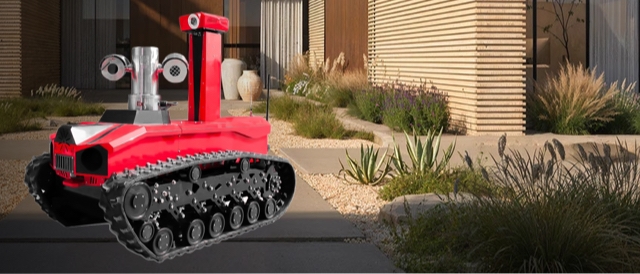
Quadruped or mobile research robots allow scientists to study difficult terrains, underwater environments, and hazardous areas safely. These robots gather critical environmental data, helping researchers make informed decisions while reducing risks to human personnel.


Why Choose Research Robots?

Investing in research robots offers numerous advantages:

  • Precision and Accuracy: Conduct experiments with minimal error

  • Efficiency and Automation: Save time on repetitive or labor-intensive tasks

  • Versatility: Suitable for laboratories, universities, and field research

  • AI Integration: Test and implement advanced algorithms for robotics and automation

  • Innovation: Empower scientists, engineers, and institutions to stay at the forefront of technological advancement

By integrating research robots into labs and institutions, organizations can achieve higher productivity, better data accuracy, and accelerated innovation across multiple scientific and engineering fields.


Buying Research Robots

Acquiring research robots requires careful consideration of factors such as mobility, AI capabilities, programming interfaces, and adaptability to research needs. Leading suppliers offer humanoid, quadruped, and specialized research robots tailored for specific laboratory, academic, or industrial applications. Choosing the right research robot ensures maximum ROI, efficiency, and scalability for your innovation projects.


Conclusion: The Future of Research Robots

Research robots are not just tools—they are intelligent partners in scientific discovery and technological advancement. From education and laboratory automation to AI development and environmental exploration, research robots provide versatile, reliable, and advanced solutions for modern research. By investing in AI-powered research robots, institutions and innovators can accelerate experimentation, enhance accuracy, and drive breakthroughs in robotics and applied sciences.