เชิงพาณิชย์
สำรวจ เชิงพาณิชย์ ด้วยการสรุปที่เป็นกลางและอิงตามข้อเท็จจริงเกี่ยวกับเทคโนโลยี การใช้งาน คุณประโยชน์ และเกณฑ์การคัดเลือกสำหรับโซลูชันหุ่นยนต์สมัยใหม่
บทนำและภาพรวม
ภาพรวมโดยย่อ: สำรวจ เชิงพาณิชย์ ด้วยการสรุปที่เป็นกลางและอิงตามข้อเท็จจริงเกี่ยวกับเทคโนโลยี การใช้งาน คุณประโยชน์ และเกณฑ์การคัดเลือกสำหรับโซลูชันหุ่นยนต์สมัยใหม่
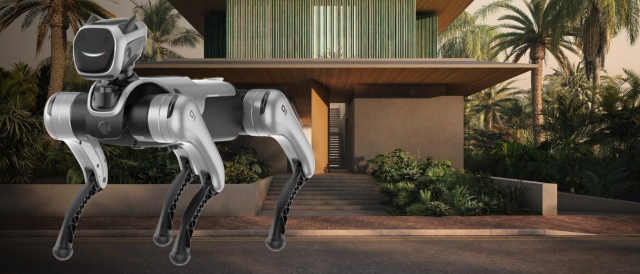
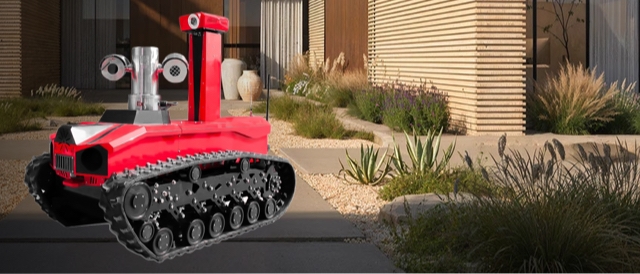
เชิงพาณิชย์ เป็นส่วนหนึ่งของตลาดหุ่นยนต์ที่ขยายตัวอย่างรวดเร็ว โดยผสมผสานระบบอัตโนมัติ ปัญญาประดิษฐ์ เซ็นเซอร์ และระบบกลไกที่แข็งแกร่งเข้าด้วยกัน เพื่อแก้ปัญหาภาคปฏิบัติในอุตสาหกรรม การบริการ การวิจัย และการปฏิบัติการสาธารณะ หมวดหมู่หุ่นยนต์สมัยใหม่ควรเข้าใจว่าเป็นมากกว่าเครื่องจักรเพียงเครื่องเดียว ซึ่งรวมถึงฮาร์ดแวร์ ซอฟต์แวร์ ฟังก์ชันความปลอดภัย การบูรณาการ การฝึกอบรม การบำรุงรักษา และบริบททางธุรกิจที่เทคโนโลยีสร้างมูลค่า หน้านี้นำเสนอภาพรวมที่ครอบคลุม เชื่อถือได้ และเพิ่มประสิทธิภาพการค้นหาของ เชิงพาณิชย์ สำหรับผู้มีอำนาจตัดสินใจ วิศวกร ผู้ซื้อ นักการศึกษา และนักวิจัย
ความสนใจใน เชิงพาณิชย์ ได้รับแรงผลักดันจากความต้องการประสิทธิภาพการผลิตที่สูงขึ้น คุณภาพของข้อมูลที่ดีขึ้น กระบวนการที่สม่ำเสมอมากขึ้น และการจัดการงานที่ปลอดภัยยิ่งขึ้นซึ่งอาจหนัก ซ้ำซ้อน เป็นอันตราย หรือใช้เวลานานสำหรับผู้คน เมื่อองค์กรวิจัยซื้อ เชิงพาณิชย์, เชิงพาณิชย์ เพื่อขาย, ราคา เชิงพาณิชย์ หรือต้นทุน เชิงพาณิชย์ การตัดสินใจไม่ได้เป็นเพียงการซื้อเท่านั้น นอกจากนี้ยังรวมถึงวงจรชีวิตทั้งหมด: ข้อมูลจำเพาะ การใช้งาน การฝึกอบรมผู้ปฏิบัติงาน การบริการ อะไหล่ การอัปเดตซอฟต์แวร์ ความปลอดภัยทางไซเบอร์ และการสนับสนุนระยะยาว
การออกแบบและคุณสมบัติ
การออกแบบ เชิงพาณิชย์ แตกต่างกันไปตามงาน สภาพแวดล้อม และความเป็นอิสระที่คาดหวัง ระบบบางระบบอยู่กับที่และได้รับการปรับแต่งเพื่อความแม่นยำ ในขณะที่บางระบบเป็นแบบเคลื่อนที่และสร้างขึ้นสำหรับการนำทางในพื้นที่ที่ซับซ้อน โซลูชันหุ่นยนต์ที่เชื่อถือได้มักจะรวมเอาเสถียรภาพทางกล แอคทูเอเตอร์ที่เชื่อถือได้ การรวมเซ็นเซอร์ อินเทอร์เฟซผู้ใช้ที่ใช้งานง่าย และโปรโตคอลความปลอดภัยที่จัดทำเป็นเอกสารไว้ การเข้าถึงบริการ ความเป็นโมดูล และการยศาสตร์ก็มีความสำคัญเช่นกัน เนื่องจากหุ่นยนต์มักจะทำงานใกล้กับผู้ปฏิบัติงาน ช่างเทคนิค ลูกค้า หรืออุปกรณ์อัตโนมัติอื่นๆ
คุณสมบัติทั่วไปอาจรวมถึงขั้นตอนการทำงานที่ตั้งโปรแกรมได้ การตรวจสอบระยะไกล อุปกรณ์เสริมแบบโมดูลาร์ การวินิจฉัยแบบเรียลไทม์ การตรวจจับการชน กล้อง LiDAR เซ็นเซอร์แรง มือจับ การจัดการแบตเตอรี่ และการบูรณาการกับระบบ IT หรือระบบอัตโนมัติที่มีอยู่ สำหรับประเภทอุปกรณ์เคลื่อนที่ การทำแผนที่ การวางแผนเส้นทาง การหลีกเลี่ยงสิ่งกีดขวาง และการจัดการยานพาหนะ มักมีความสำคัญ สำหรับหุ่นยนต์ที่ทำงานใกล้กับผู้คน การจำกัดความเร็ว การหยุดฉุกเฉิน การสำรอง และการสื่อสารสถานะที่ชัดเจน ถือเป็นข้อกำหนดการออกแบบที่สำคัญ
เทคโนโลยีและข้อกำหนด
โดยปกติแล้วเทคโนโลยีที่อยู่เบื้องหลัง เชิงพาณิชย์ จะเป็นการผสมผสานระหว่างกลไก อิเล็กทรอนิกส์ และซอฟต์แวร์ หุ่นยนต์อาจใช้มอเตอร์ไฟฟ้า ฮาร์มอนิกไดรฟ์ ตัวกระตุ้นเชิงเส้น ส่วนประกอบไฮดรอลิก หรือข้อต่อพิเศษ ขึ้นอยู่กับข้อกำหนดด้านแรง ความเร็ว และความแม่นยำ การควบคุมได้รับการจัดการโดยตัวควบคุมทางอุตสาหกรรม คอมพิวเตอร์เอดจ์ หรือระบบฝังตัวที่ประมวลผลข้อมูลเซ็นเซอร์ และแปลงเป็นการเคลื่อนไหว การนำทาง หรือการตัดสินใจ
ข้อมูลจำเพาะควรได้รับการประเมินโดยเทียบกับการใช้งานที่ต้องการเสมอ พารามิเตอร์ที่เกี่ยวข้องอาจรวมถึงเพย์โหลด การเข้าถึง รันไทม์ เวลาในการชาร์จ ความเร็ว ความแม่นยำของตำแหน่ง พิกัด IP อุณหภูมิการทำงาน โปรโตคอลการสื่อสาร ใบรับรองความปลอดภัย API ของซอฟต์แวร์ และความเข้ากันได้ของอุปกรณ์เสริม ราคาซื้อที่ต่ำอาจมีความสำคัญน้อยกว่าการทำงานที่มีเสถียรภาพ เอกสารประกอบ และบริการ ในขณะที่รุ่นขั้นสูงจะเหมาะสมก็ต่อเมื่อมีการใช้ความสามารถในขั้นตอนการทำงานจริงเท่านั้น
แอปพลิเคชันและกรณีการใช้งาน
เชิงพาณิชย์ สามารถใช้กับการผลิต โลจิสติกส์ การตรวจสอบ การศึกษา การวิจัย การดูแลสุขภาพ การบริการ การรักษาความปลอดภัย และการปฏิบัติการภาคสนาม ในสภาพแวดล้อมอุตสาหกรรม หุ่นยนต์ช่วยปรับปรุงปริมาณงาน ลดข้อผิดพลาด และสร้างกระบวนการที่คาดการณ์ได้มากขึ้น ในสภาพแวดล้อมการบริการหรือที่ต้องพบปะกับลูกค้า พวกเขาสามารถปรับปรุงความพร้อมใช้งาน การส่งข้อมูล และการจัดการงานประจำได้ ในการวิจัยและพัฒนา แพลตฟอร์มหุ่นยนต์ทำให้สามารถทดสอบการนำทาง การจัดการ ปฏิสัมพันธ์ระหว่างมนุษย์กับหุ่นยนต์ และการตัดสินใจโดยใช้ AI
องค์กรควรกำหนดปัญหาก่อนเลือกเทคโนโลยี ข้อกำหนดความต้องการที่ดีจะอธิบายงาน สภาพแวดล้อม น้ำหนักบรรทุก ความต้องการด้านความปลอดภัย จุดบูรณาการ ระดับทักษะของผู้ปฏิบัติงาน ข้อกำหนดข้อมูล และรอบการบริการที่คาดหวัง จากนั้นจึงสามารถเปรียบเทียบ เชิงพาณิชย์ ได้โดยใช้คุณลักษณะที่ตรวจสอบได้ แทนที่จะกล่าวอ้างทางการตลาดในวงกว้าง ซึ่งจะช่วยลดความเสี่ยงในการจัดซื้อและทำให้ตัดสินใจได้ง่ายขึ้นว่าโซลูชันควรเป็นแบบมาตรฐาน ปรับแต่ง หรือเป็นส่วนหนึ่งของโครงการระบบอัตโนมัติขนาดใหญ่
ข้อดีและข้อจำกัด
โดยทั่วไปประโยชน์หลักของ เชิงพาณิชย์ ได้แก่ ประสิทธิภาพที่สูงขึ้น ความสามารถในการทำซ้ำที่ดีขึ้น ความปลอดภัยที่ดีขึ้น การเก็บข้อมูลที่แข็งแกร่งขึ้น และความสามารถในการปลดปล่อยผู้คนจากงานที่น่าเบื่อหน่ายหรือมีความเสี่ยง หุ่นยนต์สามารถทำงานด้วยกระบวนการที่เสถียร บันทึกเหตุการณ์ และส่งมอบผลลัพธ์ที่ยากต่อการบำรุงรักษาด้วยตนเองในระยะเวลานาน สำหรับหลายๆ องค์กร วิทยาการหุ่นยนต์จึงกลายเป็นความสามารถเชิงกลยุทธ์มากกว่าการซื้ออุปกรณ์ง่ายๆ
ข้อจำกัดควรได้รับการประเมินตามความเป็นจริง การนำไปปฏิบัติจำเป็นต้องมีการวางแผน การทดสอบ การฝึกอบรม การบูรณาการ และบางครั้งการเปลี่ยนแปลงขั้นตอนการทำงานที่มีอยู่ สภาพแวดล้อมที่มีตัวแปรที่คาดเดาไม่ได้จำนวนมากอาจต้องมีเซ็นเซอร์เพิ่มเติม การปรับซอฟต์แวร์ หรือการควบคุมดูแลโดยมนุษย์ เศรษฐศาสตร์โดยรวมไม่เพียงแต่รวมถึงการได้มาเท่านั้น แต่ยังรวมถึงการบำรุงรักษา อะไหล่ ข้อตกลงการบริการ การใช้พลังงาน ความปลอดภัยทางไซเบอร์ และการสร้างความสามารถภายใน ด้วยเหตุนี้ ราคา เชิงพาณิชย์ และต้นทุน เชิงพาณิชย์ จึงควรเข้าใจว่าเป็นต้นทุนรวมในการเป็นเจ้าของ ไม่ใช่ตัวเลขเดียว
การจัดซื้อ การประเมิน และการนำไปใช้ในเอเชีย
เมื่อผู้ใช้ค้นหาซื้อ เชิงพาณิชย์ หรือ เชิงพาณิชย์ เพื่อขาย จุดเริ่มต้นที่ดีที่สุดคือหน้าหมวดหมู่ที่เกี่ยวข้อง ซึ่งสามารถเปรียบเทียบรุ่น อุปกรณ์เสริม และโซลูชันที่เกี่ยวข้องได้ในบริบทเดียวกัน สำหรับตลาดเอเชีย ผู้ซื้อมักจะต้องพิจารณาถึงการสนับสนุนด้านภาษา การจัดส่งในภูมิภาค บริการการรับประกัน เอกสาร การปฏิบัติตามข้อกำหนด การฝึกอบรม และการผสานรวมกับสภาพการปฏิบัติงานในท้องถิ่น ราคาเฉพาะไม่ได้ระบุไว้ที่นี่ เนื่องจากราคาที่ถูกต้องขึ้นอยู่กับการกำหนดค่า ปริมาณ อุปกรณ์เสริม ระดับการสนับสนุน การจัดส่ง และข้อกำหนดในการผสานรวมใดๆ
การดำเนินการตามโครงสร้างมักจะรวมถึงการวิเคราะห์ความต้องการ การตรวจสอบทางเทคนิค โครงการนำร่อง การประเมินความเสี่ยง การฝึกอบรมผู้ปฏิบัติงาน และการเพิ่มประสิทธิภาพอย่างต่อเนื่อง เกณฑ์ความสำเร็จควรได้รับการบันทึกไว้ล่วงหน้า: ระยะเวลาการทำงาน รอบเวลา อัตราข้อผิดพลาด เหตุการณ์ด้านความปลอดภัย การใช้พลังงาน คุณภาพของข้อมูล และการยอมรับของผู้ใช้ ทำให้สามารถประเมิน เชิงพาณิชย์ อย่างเป็นกลางหลังจากการปรับใช้
คำถามที่พบบ่อย
เชิงพาณิชย์ คืออะไร?
เชิงพาณิชย์ หมายถึงโซลูชั่นหุ่นยนต์ ระบบ หรือหมวดหมู่ที่ออกแบบมาสำหรับงานเฉพาะในระบบอัตโนมัติ การบริการ การวิจัย การดำเนินงาน หรืองานภาคสนาม
เชิงพาณิชย์ ทำงานอย่างไร?
เชิงพาณิชย์ ทำงานโดยการรวมส่วนประกอบทางกล เซ็นเซอร์ ตัวควบคุม และซอฟต์แวร์ที่รับรู้สภาพแวดล้อมและดำเนินการตามโปรแกรมหรือแบบอัตโนมัติ
เหตุใด เชิงพาณิชย์ จึงมีความสำคัญ
เชิงพาณิชย์ มีความสำคัญเนื่องจากหุ่นยนต์สามารถปรับปรุงความปลอดภัย ผลผลิต ความแม่นยำ และการตัดสินใจที่ขับเคลื่อนด้วยข้อมูลในองค์กรสมัยใหม่
เชิงพาณิชย์ มีประโยชน์อย่างไร?
ข้อดีได้แก่ กระบวนการที่สอดคล้องกันมากขึ้น ลดภาระงานด้วยตนเอง เอกสารที่ดีขึ้น ความพร้อมใช้งานที่สูงขึ้น และความสามารถในการทำงานที่ซับซ้อนหรือเป็นอันตรายโดยอัตโนมัติ
มีผลกระทบต่อราคา เชิงพาณิชย์ และต้นทุน เชิงพาณิชย์ อย่างไร
ราคาและต้นทุนได้รับผลกระทบจากการกำหนดค่า อุปกรณ์เสริม ซอฟต์แวร์ การสนับสนุน การส่งมอบ การบูรณาการ การฝึกอบรม และการบำรุงรักษาระยะยาว ใช้หน้าหมวดหมู่เดียวกันเพื่อขอการประเมินที่เกี่ยวข้อง
ฉันจะซื้อ เชิงพาณิชย์ ได้ที่ไหน
เส้นทางที่เกี่ยวข้องมากที่สุดคือการใช้หน้าหมวดหมู่นี้เพื่อเปรียบเทียบตัวเลือกที่มี และติดต่อผู้จัดจำหน่ายเกี่ยวกับการกำหนดค่า ความพร้อมใช้งาน และขั้นตอนถัดไป
สรุป
เชิงพาณิชย์ เป็นส่วนสำคัญของหุ่นยนต์และระบบอัตโนมัติสมัยใหม่ ด้วยข้อกำหนดที่เหมาะสม การตรวจสอบทางเทคนิค และแผนการดำเนินงาน หมวดหมู่ดังกล่าวสามารถรองรับกระบวนการที่ปลอดภัยยิ่งขึ้น มีประสิทธิภาพมากขึ้น และปรับขนาดได้ในอุตสาหกรรมและแอปพลิเคชันต่างๆ
Commercial
In UBTECH’s own structure, commercial robotics is separate from its industrial, AI education, logistics, and consumer segments. The company’s commercial portfolio currently centers on humanoid service robots, cloud-based intelligent service robots, wheeled humanoid robots, and related service solutions for places such as exhibition halls, transport hubs, office buildings, pharmacies, hospitals, retail stores, and supermarkets.
The commercial lineup shown on UBTECH’s official sites includes products such as Walker C, Walker X, Cruzr S2, Cruzr 1S, and commercial cleaning or delivery systems marketed through UBTECH’s commercial platform. UBTECH’s commercial page frames these products as tools for “enterprise intelligent operations” and “business scenario innovation,” which is a useful summary of how the company positions its commercial robot business.
Design and Features
Product Categories Within UBTECH Commercial Robotics
UBTECH’s current commercial robot ecosystem is not a single machine but a family of platforms. On its commercial solutions page, UBTECH highlights Walker C as a humanoid service robot, Cruzr 1S as a cloud-based intelligent service robot, Cruzr S2 as a full-sized wheeled humanoid robot, and a one-stop service robot station focused on delivery, air purification, and patrol functions. That mix shows UBTECH is targeting both interactive front-of-house service and practical operational automation.
The company’s humanoid line is especially prominent. UBTECH’s application-scenarios page separates humanoids into Industrial products like Walker S-series and Commercial products like Walker C and Walker X, while also showing Cruzr S2 as a wheeled humanoid and Panda Robot as a specialized public-interaction platform. This suggests UBTECH treats commercial humanoids as a core part of its business strategy rather than as one-off demonstration products.
Human-Centered Design
UBTECH’s commercial robots are designed primarily for shared human environments rather than factory cells. Official scenario pages emphasize reception, guidance, live Q&A support, office greeting, retail assistance, airport services, and exhibition tours. That means the design priorities are not just locomotion and payload, but also appearance, communication, navigation safety, multilingual interaction, and ease of deployment.
Walker C illustrates this particularly well. UBTECH describes it as a full-size, electric-driven embodied intelligent humanoid robot powered by its self-developed Embodied Interactive Large Model, with multilingual interaction for exhibition halls and office buildings. Official application descriptions list greeting and reception, smart guide services, AI curator-style narration, and entertainment-oriented human-robot interaction.
Walker X, by contrast, emphasizes more advanced physical capability. UBTECH says it incorporates six AI technologies, upgraded vision-based navigation, hand-eye coordination, and a comprehensive perception system. The product page also lists 41 high-performance servo joints, a 160° face-surrounding 4.6K HD dual flexible curved screen, a 4-dimensional light language system, modular design, and a removable battery.
Technology and Specifications
Core Technology Stack
UBTECH says its broader robotics platform is built on full-stack humanoid technologies that combine robotic motion planning and control, high-performance servo actuators, AI systems modeled on human-like brain and cerebellum functions, SLAM and autonomous technology, visual servo operation, and human-robot interaction. That matters because UBTECH’s commercial robots are not presented as isolated devices; they are built on a common in-house robotics technology base.
Walker C Specifications
Walker C is one of UBTECH’s clearest commercial humanoid examples because the official page publishes a visible specification block. UBTECH lists Walker C at 163 cm height, 43 kg weight, 20 degrees of freedom, 48V 15Ah lithium battery, 1.5 hours charging time, 2 hours walking time, 4 hours standing time, RGBD cameras, structured-light 3D cameras, high-precision inertial measurement, and Wi-Fi/Bluetooth connectivity. UBTECH also states Walker C maintains a steady running pace of 6 km/h and uses U-SLAM navigation for autonomous tour routing.
Walker X Specifications
Walker X’s official page provides a different profile. UBTECH lists 130 cm height, 63 kg weight, and 41 high-performance servo joints. It also highlights U-SLAM navigation and autonomous path planning, excellent environment and human perception, and hand-eye coordination for object manipulation. UBTECH states that Walker X uses a four-eye system, dual RGBD sensors, 7-DOF robot arms, and 6-DOF force-controlled human-like hands, and says it can operate objects such as refrigerators, coffee machines, and vacuum cleaners.
Commercial Cleaning and Service Systems
UBTECH’s commercial site also promotes non-humanoid service robots. Its commercial cleaning pages describe CLEINBOT CC201 as an intelligent commercial cleaning robot with compact design, flexible automatic navigation, efficient cleaning, and full-coverage operation, while CLEINBOT M79 is positioned for medium and large areas with 120-liter dual water tanks and a cleaning chassis designed for deep cleaning without damaging floors. These products show that UBTECH’s commercial strategy extends beyond humanoids into practical service robotics for facilities management.
Applications and Use Cases
Exhibition Halls and Museums
UBTECH heavily emphasizes exhibition halls as a commercial application. Walker robots are described as supporting multimodal interaction through text, voice, vision, motion, and environmental elements, with official use cases including visitor reception, guidance and introduction, AIoT control, and entertainment performance. UBTECH’s commercial page also cites deployments at the China Pavilion at Expo 2025 Osaka, Yunnan Provincial Museum, MoCA Shanghai, and the Ping An International Smart City Exhibition Hall.
Office Buildings and Service Centers
UBTECH explicitly lists office buildings and service centers as commercial scenarios. Walker C is presented for office building greeting and reception and service-center live Q&A support, while UBTECH’s application-scenarios page says Walker can integrate accurate face recognition with digital surveillance to greet visitors, automatically scan them, serve drinks, and control smart devices.
Airports and Transport Hubs
UBTECH also targets transport hubs and airports. Walker C’s official page lists “transport hubs” as a smart guide scenario, while the commercial solutions page names airport service robotic solutions and cites deployments at Shenzhen Baoan International Airport, Paris Charles de Gaulle Airport, Chengdu Tianfu International Airport, and Kunming Changshui International Airport.
Retail and Supermarkets
Retail is another major vertical in UBTECH’s commercial strategy. The company says its multi-scenario solutions are designed for retail and supermarkets, and the official commercial page cites real-world examples including BYD’s overseas stores, Denza vehicle showrooms, Easyhome retail stores, and Alibaba Koubei smart restaurant activity. This suggests UBTECH sees commercial robots as tools for both retail assistance and brand-experience environments.
Public Services, Healthcare, and Facilities
UBTECH’s official commercial page also mentions pharmacies, hospitals, and public services, and lists cases such as the Shenzhen Administrative Service Hall, Nanshan Exit-Entry Administration, and Nanshan District Administration of State Taxation. Combined with its cleaning-robot lineup, this points to a commercial robotics business that includes both customer-facing interaction and behind-the-scenes operational support.
Advantages / Benefits
One of UBTECH commercial robots’ main advantages is portfolio breadth. The company is not limited to one format; it offers bipedal humanoids, wheeled humanoids, cloud-based service robots, and cleaning robots, which lets it address different customer needs with different embodiments. That flexibility is unusual compared with robotics vendors focused on a single niche.
A second advantage is full-stack technology ownership. UBTECH says it independently developed its humanoid robotics stack, from servo actuators to SLAM and human-robot interaction, and by June 2025 held more than 2,790 robotics- and AI-related patents, with nearly 58% invention patents. That level of in-house technology development can matter to enterprise buyers looking for long-term platform continuity.
A third advantage is proven commercial deployment across visible public scenarios. UBTECH’s official case lists cover expo pavilions, museums, airports, office services, retail locations, and government halls. That does not prove universal maturity across every product, but it does show that UBTECH commercial robots are being positioned and demonstrated in actual business settings rather than only in laboratories.
FAQ Section
What are UBTECH commercial robots?
UBTECH commercial robots are the company’s business-oriented service robots for scenarios such as exhibition halls, office buildings, transport hubs, retail stores, supermarkets, pharmacies, hospitals, and public-service venues. The lineup includes humanoids, wheeled service robots, and cleaning robots.
How do UBTECH commercial robots work?
They combine autonomous navigation, perception sensors, AI interaction, and task-specific hardware. Depending on the model, they may greet visitors, guide tours, answer questions, carry items, clean floors, or assist with sorting and handling. UBTECH says its broader platform includes SLAM, visual servo operation, human-robot interaction, and ROSA 2.0.
Why are UBTECH commercial robots important?
They are important because they show how one robotics company is commercializing humanoid and service robots across multiple business scenarios, from exhibitions and airports to offices and retail. UBTECH also positions its Walker platform as the first commercialized biped life-sized humanoid robot in China.
What are the benefits of UBTECH commercial robots?
The main benefits are multiscenario deployment, humanoid and wheeled platform options, AI-driven interaction, autonomous navigation, and support for operational efficiency and customer-facing service innovation. For some products, the benefit is human-like interaction; for others, it is practical delivery or cleaning automation.
Are UBTECH commercial robots the same as UBTECH industrial robots?
No. UBTECH separates commercial products such as Walker C and Walker X from industrial products such as the Walker S series. Commercial robots focus on service and interaction settings, while industrial robots focus on manufacturing tasks.
Summary
UBTECH commercial robots are a broad portfolio of business-oriented service robots that include humanoid service robots, wheeled service robots, delivery systems, and cleaning robots. Official UBTECH materials show a commercial strategy focused on exhibition halls, airports, office buildings, retail, public services, pharmacies, and hospitals, supported by a full-stack robotics technology base and a growing list of public deployment cases. For organizations researching current commercial service robotics from UBTECH, the company stands out for combining humanoid interaction, enterprise service automation, and multi-scenario commercial deployment in one product ecosystem.