Robots Malaysia
Robots in Malaysia span humanoid, industrial, and service platforms deployed across manufacturing, retail, education, and healthcare. This guide covers the leading robot brands available in Malaysia, key applications from Kuala Lumpur to Penang's electronics corridor, and what buyers should know before purchasing a robot in Malaysia.
Robots in Malaysia
Introduction / Overview
Robots in Malaysia encompass a rapidly expanding market of humanoid, industrial, service, and educational robotics deployed across one of Southeast Asia's most industrialized economies. As a global hub for electronics and semiconductor manufacturing — anchored by Penang's "Silicon Valley of the East" and the industrial corridors of Selangor and Johor — Malaysia has become one of the region's most active adopters of robotic automation.
The Malaysian market covers the full spectrum of modern robotics: humanoid robots such as the Unitree G1 and AgiBot X2 for research, customer engagement, and education; industrial arms and cobots on manufacturing lines; autonomous mobile robots (AMRs) in warehouses and e-commerce fulfillment centers; and service robots in hotels, hospitals, and shopping malls from Kuala Lumpur to Kota Kinabalu.
Government initiatives — including the New Industrial Master Plan 2030 and the National Robotics Roadmap — actively encourage automation adoption, positioning Malaysia among the fastest-growing robotics markets in ASEAN. For organizations looking to buy robots in Malaysia, the combination of policy support, skilled technical workforce, and established import infrastructure makes deployment more straightforward than in many neighboring markets.
Design and Features
Humanoid Robots
Humanoid robots available in Malaysia are designed for interaction, demonstration, and research:
- Bipedal locomotion — platforms such as the Unitree G1, Unitree H1, and AgiBot X2 walk, balance, and navigate human environments.
- Interactive capability — voice interaction, gesture, facial tracking, and multilingual communication suited to Malaysia's Malay-, English-, Chinese-, and Tamil-speaking population.
- Developer access — SDK and API support (secondary development) for universities and R&D teams customizing behavior and applications.
Industrial and Warehouse Robots
- Robotic arms and cobots for assembly, welding, pick-and-place, and inspection in electronics and automotive plants.
- Autonomous mobile robots (AMRs) — including Geek+ goods-to-person systems — for e-commerce fulfillment and manufacturing logistics.
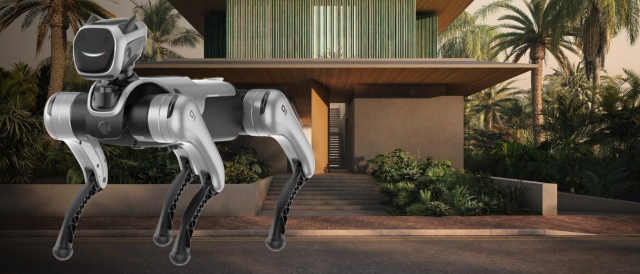
- Quadruped inspection robots such as the Unitree Go2 and B2 for plantations, utilities, and site surveying.
Service and Education Robots
- Reception and concierge robots for malls, hotels, banks, and government service centers.
- Delivery robots for restaurants and hospitals.
- Education platforms supporting Malaysia's STEM curriculum and TVET institutions.
Technology and Specifications
Leading Brands Available in Malaysia
- Unitree Robotics — G1 and H1 humanoids, Go2 and B2 quadrupeds; the most popular entry points for research and commercial demonstration.
- AgiBot — X2 and G2 series humanoids with open development frameworks for advanced interaction.
- UBTECH / UWORLD — Walker industrial humanoids and U1 series for education and service.
- Geek+ — warehouse automation and AMR fleets for logistics operators.
- Fourier, Booster, EngineAI — research-grade and developer humanoid platforms.
Specifications Overview
Typical humanoid platforms deployed in Malaysia range from compact 1.2–1.3 m education units to full-size 1.7–1.8 m industrial humanoids, with battery runtimes of 2–4 hours, integrated depth cameras and LiDAR for navigation, and cloud or edge AI processing. Industrial arms range from 3 kg payload cobots to heavy-duty units exceeding 200 kg payload.
Import and Compliance Considerations
Robots imported into Malaysia are subject to SIRIM type approval for wireless communication modules, Energy Commission requirements for electrical safety where applicable, and standard customs procedures under Malaysia's trade framework. Lithium battery shipping regulations (UN 3481) apply to most mobile platforms. Working with an experienced supplier ensures documentation, certification, and warranty support are handled correctly.
Applications and Use Cases
Manufacturing and Electronics
Malaysia's semiconductor and E&E sector — the country's largest export industry — is the primary driver of industrial robot adoption, with cobots and AMRs deployed across Penang, Kulim, and Klang Valley facilities to address labor shortages and precision requirements.
Logistics and E-Commerce
The rapid growth of e-commerce across Malaysia has accelerated deployment of warehouse robots and goods-to-person systems in fulfillment centers around Shah Alam, Johor Bahru, and KLIA's cargo hub.
Retail, Hospitality, and Tourism
Shopping destinations in Kuala Lumpur and resort operators in Langkawi and Sabah use humanoid and service robots for greeting, wayfinding, and promotion — a natural fit for Malaysia's tourism economy.
Education and Research
Malaysian universities, polytechnics, and TVET colleges deploy humanoid robots and robot dogs for robotics engineering programs, AI research, and STEM outreach, supported by national digital-skills initiatives.
Healthcare and Public Services
Hospitals in the Klang Valley use delivery and disinfection robots, while government agencies pilot reception robots for multilingual citizen services.
Agriculture and Plantations
Quadruped and autonomous platforms are increasingly trialed for inspection in palm oil plantations and agricultural estates, one of Malaysia's most distinctive robotics use cases.
Advantages / Benefits
- Policy tailwind — national automation incentives, including tax allowances for automation equipment, reduce the effective cost of robot adoption for Malaysian companies.
- Labor solution — robots address persistent manufacturing and service labor shortages without sacrificing output quality.
- Multilingual deployment — modern humanoid platforms serve Malaysia's multilingual population in Malay, English, Mandarin, and Tamil.
- Regional gateway — Malaysia's logistics infrastructure makes it an efficient base for robotics deployment across ASEAN.
- Full spectrum availability — from affordable education robots to industrial humanoids, every category is now available for sale in Malaysia through established distribution channels.
For buyers researching where to buy robots in Malaysia, or comparing robot prices and costs in Malaysia across brands and categories, the market now offers genuine choice at every level — from compact robot dogs for education to full-size humanoids for industry.
FAQ
What robots are available in Malaysia?
Malaysia's market includes humanoid robots (Unitree G1, AgiBot X2, UBTECH Walker), quadruped robot dogs (Unitree Go2, B2), industrial arms and cobots, warehouse AMRs (Geek+), and service robots for retail, hospitality, and healthcare.
How much does a robot cost in Malaysia?
Robot costs in Malaysia vary widely by category — from entry-level education robots to research-grade humanoids and industrial systems. Pricing depends on model, configuration, and support requirements; contact a supplier for a current quotation.
Why are robots important for Malaysia?
Robots address Malaysia's manufacturing labor shortages, support the country's position as a global electronics hub, and align with national initiatives such as the New Industrial Master Plan 2030 that promote automation adoption.
Can I buy a humanoid robot in Malaysia?
Yes. Humanoid robots including the Unitree G1, AgiBot X2 and G2, and UBTECH platforms are available for sale in Malaysia through authorized distribution, with delivery to Kuala Lumpur, Penang, Johor Bahru, and nationwide.
What are the benefits of buying robots in Malaysia?
Benefits include government automation incentives, established import and compliance infrastructure (SIRIM approval), local technical talent for integration, and Malaysia's role as a logistics gateway to the wider ASEAN market.
Do imported robots need approval in Malaysia?
Robots with wireless modules require SIRIM type approval, and electrical products may fall under Energy Commission requirements. An experienced robot supplier will manage certification, customs documentation, and battery shipping compliance on your behalf.
Summary
Robots in Malaysia represent one of Southeast Asia's most dynamic automation markets, spanning humanoid robots for interaction and research, industrial systems for the nation's world-leading electronics sector, and service robots across retail, healthcare, and tourism. Supported by national policy, a skilled workforce, and mature import infrastructure, Malaysia offers organizations of every size a practical path to robotic adoption. Whether you are looking to buy a robot in Malaysia, compare robot prices and costs, or plan a nationwide deployment from Kuala Lumpur to East Malaysia, the market's breadth of brands — Unitree, AgiBot, UBTECH, Geek+, and more — makes Malaysia a leading destination for robotics in ASEAN.