AgiBot Expedition A3 Interactive Service Humanoid Robot
Overview
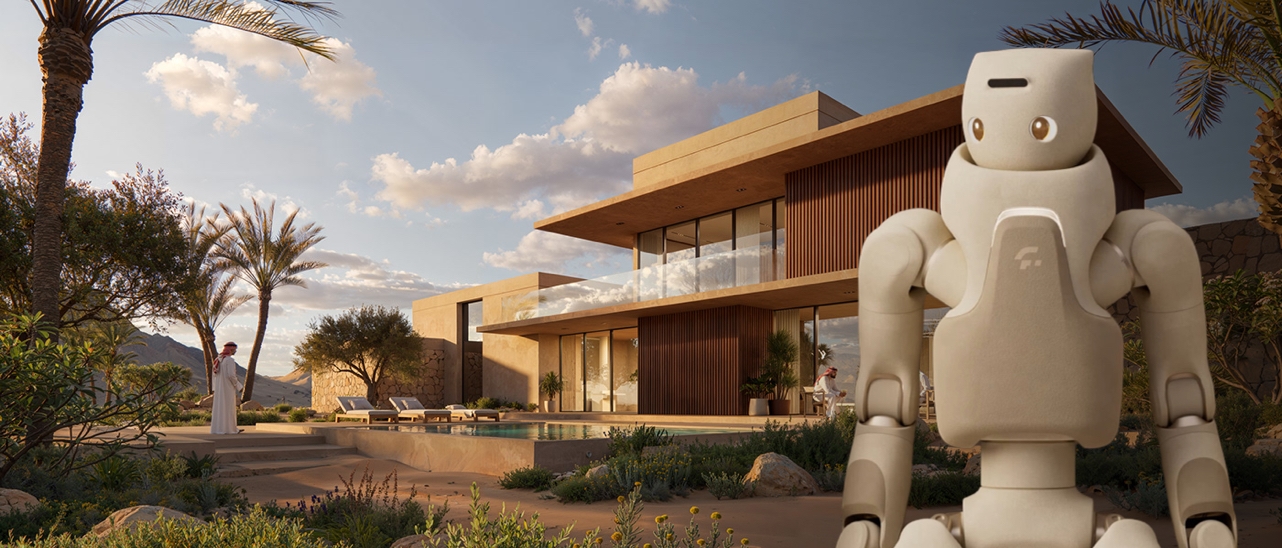
The AgiBot Expedition A3 is a full-size bipedal humanoid robot developed by AgiBot, a Shanghai-based robotics company with one of the highest deployment records in the humanoid robotics sector. Designed specifically for interactive service environments, the A3 stands 173 cm tall and weighs 55 kg, placing it within human-scale form factor parameters suited to spaces already built for people.
Across Asia-Pacific, service robotics has a well-established precedent. Japan's deployment of SoftBank Pepper in retail and banking environments from 2015 onward demonstrated both the commercial appetite for humanoid-style interaction and the limitations of fixed-platform, wheel-based units. South Korea has maintained aggressive robotics investment through national R&D programmes. Singapore's hospitality and airport sectors have piloted autonomous service platforms at scale. The A3 enters this mature landscape as a bipedal, manipulation-capable unit positioned above prior-generation assistants in both physical capability and AI depth.
AgiBot reported shipping more than 5,168 humanoid robot units across eight industries in 2025, making it one of the most actively deployed humanoid manufacturers globally at the time of writing.
Design and Features
The A3 is constructed around an exoskeleton-style leg assembly that prioritises lightweight structural integrity while supporting stable bipedal locomotion. A flexible waist joint allows the robot to orient its upper body independently, enabling more natural interaction postures when addressing humans at varying heights or angles.
Each arm supports a payload of 3 kg at the tool centre point, with a maximum TCP speed of 2 m/s. This specification supports light manipulation tasks including handing objects, gesturing, and operating touch-based interfaces. The robot does not require a dedicated docking station for short-duration deployments, as its embedded dual-battery system provides 8 to 10 hours of operational runtime per charge cycle.
Interaction is initiated through either voice command (without a pre-designated wake word) or a physical shoulder tap, both of which trigger the robot's engagement protocols. This dual-input activation model reduces friction in noisy or high-footfall environments such as shopping centres, trade exhibition halls, or hotel lobbies, which are common deployment scenarios across the region.
Technology and Specifications
| Specification | Detail |
|---|---|
| Height | 173 cm |
| Weight | 55 kg |
| Arm Payload | 3 kg per arm |
| TCP Speed | 2 m/s |
| Battery Runtime | 8 to 10 hours |
| Activation | Wake-word-free voice + shoulder tap |
| AI Platform | AgiBot Embodied Intelligent Brain |
| AI Models | WorkGPT + GO-1 |
| Ecosystem | NVIDIA Isaac GR00T partner |
The A3's intelligence layer is built on what AgiBot designates the Embodied Intelligent Brain, a proprietary AI platform combining two model stacks: WorkGPT, which handles language understanding and task-oriented dialogue, and GO-1, which governs motion planning and physical interaction logic. Together these systems allow the robot to respond contextually to verbal requests, navigate environments, and carry out simple object-handling operations.
AgiBot is a member of the NVIDIA Isaac GR00T partner ecosystem. Isaac GR00T is NVIDIA's foundational model framework for humanoid robots, providing simulation environments, motion generation, and sensor integration infrastructure. For organisations across Asia-Pacific already building on NVIDIA GPU infrastructure, this partnership creates a degree of technical alignment that reduces integration complexity.
Applications and Use Cases
The A3 is designed for deployment across five primary verticals: retail, entertainment, hospitality, exhibitions, and brand activation.
Retail: In high-footfall retail environments common in Japan, South Korea, and Singapore, the A3 can function as a greeter, product guide, or promotional assistant. Unlike tablet kiosks or screen-based assistants, its humanoid form engages shoppers at a social register that tends to increase dwell time and interaction rates. Hospitality: Hotels and resorts across Thailand, Singapore, and China have piloted robotic concierge services over the past decade. The A3's 8 to 10 hour runtime and activation flexibility make it viable for lobby deployment across standard shift periods without manual battery management. Exhibitions and Trade Events: Asia-Pacific hosts some of the world's largest trade fairs, including those in Shanghai, Tokyo, and Singapore. The A3's visual profile, voice interaction capability, and brand-customisable presentation make it well suited for exhibition stand deployment and brand activation. Entertainment Venues: Theme parks, museums, and entertainment complexes across the region have increasingly adopted interactive robotic characters. The A3's bipedal form and manipulation capability allow for a wider range of interaction scenarios than wheel-based predecessors.Advantages and Benefits
Compared to earlier service robot generations, the A3 offers several operational advantages. Its bipedal mobility allows it to function in spaces designed for human movement, without requiring ramp modifications or dedicated corridors. The dual-battery system reduces downtime relative to single-battery units that require scheduled charging windows.
The wake-word-free voice activation is particularly relevant in multilingual environments, where a single fixed activation phrase may not suit all visitor demographics. The shoulder-tap fallback further lowers the interaction barrier in noisy environments or for visitors unfamiliar with voice-activated systems.
From an enterprise perspective, AgiBot's NVIDIA Isaac GR00T partnership provides access to a continuously improving motion and embodiment model ecosystem, which reduces the long-term cost of software maintenance relative to proprietary-only AI stacks.
Pricing and Availability
The AgiBot Expedition A3 is priced at approximately USD 110,000. Mass production is targeted for 2026, with units available to enterprise and commercial buyers through authorised regional distributors.
Organisations in Japan, South Korea, Singapore, and other Asia-Pacific markets with existing robotics procurement frameworks will find the pricing consistent with enterprise-grade service automation equipment. Leasing and pilot deployment arrangements may be available through regional partners.
FAQ
What is the AgiBot Expedition A3?The A3 is a full-size bipedal humanoid robot designed for interactive service roles in retail, hospitality, exhibitions, and entertainment environments.
How does the A3 compare to SoftBank Pepper?While Pepper is a wheeled, smaller-format robot primarily designed for tablet-based interaction, the A3 is a full-size bipedal humanoid with arm manipulation capability, physical activation inputs, and a more advanced AI platform. The A3 represents a subsequent generation of service robot hardware in terms of both physical form and embedded intelligence.
What AI systems power the A3?The A3 runs on AgiBot's Embodied Intelligent Brain platform, combining the WorkGPT language model and the GO-1 motion intelligence model. It also operates within the NVIDIA Isaac GR00T partner ecosystem.
How long does the battery last?The embedded dual-battery system supports 8 to 10 hours of continuous operation per charge cycle.
Is the A3 suitable for multilingual environments?Yes. The wake-word-free voice activation and shoulder-tap input method reduce dependence on language-specific commands, making the A3 suitable for multilingual retail and tourism environments across Asia-Pacific.
When will the A3 be available for purchase?Mass production is targeted for 2026. Enterprise buyers can contact authorised regional distributors regarding availability and pilot programmes.
Summary
The AgiBot Expedition A3 represents a significant step forward from the wheeled, tablet-centric service robots that characterised the first wave of Asia-Pacific commercial deployments. With a human-scale bipedal form, a capable dual-arm system, and an AI platform backed by NVIDIA's Isaac GR00T infrastructure, it is positioned for serious commercial deployment across retail, hospitality, exhibition, and entertainment sectors throughout the region. At approximately USD 110,000 and with mass production slated for 2026, the A3 is a credible enterprise-tier humanoid for organisations ready to move beyond pilot-stage robotics.